
It breaks up your normal sleep rhythms and can make you restless throughout the night. Cold compresses should help, but the best answer is a good night’s sleep. If a person spends the night drinking, they may also stay up late or not sleep at all. A person with AUD may be unable to manage their drinking habits and may drink heavily. Many studies have shown a relationship between a lack of sleep and a spike in cortisol levels1, the body’s main stress hormone. If you struggle to get adequate protein, replacing cow’s milk with almond milk may make your quest even more Drug rehabilitation difficult.

How can I decrease the negative effects alcohol has on my skin?
If you’re dealing with lasting skin damage or frequent flare-ups of existing skin conditions, there are a few ways to improve alcohol-related skin issues over time. Between the annual interest in Dry January and the Surgeon General’s recent warning about the health dangers of drinking alcohol, there are a lot of people thinking critically about how they drink. Read on to find out how drinking — even occasionally and socially — affects your skin, and what you can do to minimize its impact. This can manifest as visible dehydration, as alcohol quickly dehydrates your skin (taking away plumpness and glow). “Finally, alcoholic drinks frequently represent a sugar load, which causes insulin levels to spike, and this creates an environment that promotes skin inflammation – so common conditions like acne can flare up.” Vibrant Elevate is an antioxidant powerhouse infused with cucumber, matcha green tea, chlorophyll, spin trap, Tonka bean prebiotic, and Nectaria lithops.

What Are the Best Alcohol-Free Skincare Products?

Although this will depend on how much damage has already been done. A booze-free month is a great way to allow skin to detox and re-hydrate and regenerate, skin will absorb vitamins and other nutrients more easily leading to less bloating and even potentially redness. Regular drinking can worsen the condition of your skin, and as New York-based dermatologist Brendan Camp MD, explains, it can “accentuate your fine lines,” thus making you look older than you are, via Byrdie. Despite how good Beyoncé and Taylor Swift look trying to sell you on drinking Pepsi (I, for one, am a Diet Coke girl) the fact of the matter is, the stuff is terrible for your skin.
Sweetened Almond Milk vs. Unsweetened
- “However, if it’s something you are not willing to give up, there are some types of alcohol you can indulge in without feeling too guilty about its effects on your skin.”
- However, in some cases, such as psoriasis and rosacea, a person will need to continue treatment even after they have stopped drinking alcohol.
- Prolonged heavy drinking can also increase a person’s risk of more serious conditions, such as skin cancer.
- So next time you’re perusing the menu on a night out, bear in mind that a Margarita is the worst offender as it contains sugar and salt, both of which can leave skin puffy.
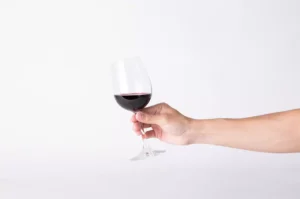
- When you’re deciding what to drink, Dr. Chang recommends choosing wine (particularly red wine), which contains antioxidants like polyphenols and resveratrol, which has some health benefits when enjoyed in moderation.
- A derm weighs in on the complexion effects of going alcohol-free for even 30 days.
- Current alcoholic beverage labels in the US warn of the risks of driving under the influence of alcohol, adverse effects on general health, and risks for a developing fetus — but there’s no mention of cancer.
Alcohol also impairs your skin’s own antioxidant defenses, which means it isn’t as well-prepped to protect itself from environmental stressors. In addition to taking care of your skin after drinking, it’s important to rehydrate quickly. Drink plenty of water in the days after alcohol consumption, and make sure to apply moisturizer and eye cream in the morning and evening. If you notice dullness or dryness, you may want to use a heavier moisturizer even during the day.
If you break out in hives when you drink, is drinking bad for your skin you could have an alcohol sensitivity. Alcohol causes a release of histamines in the body, the same thing that happens when you come across an allergy trigger. Believe it or not, sleeping with two pillows in bed slightly propped up is one of the best ways to minimise eye and face puffiness.
Why alcohol affects men and women differently
- Founded in 1932, Gatineau has built a legacy on science-backed, botanical-infused formulations, particularly in the anti-aging space.
- Despite how good Beyoncé and Taylor Swift look trying to sell you on drinking Pepsi (I, for one, am a Diet Coke girl) the fact of the matter is, the stuff is terrible for your skin.
- Heavy alcohol consumption could lead to flare-ups of existing inflammatory conditions and might put you at a higher risk of developing inflammatory skin conditions like psoriasis (Al-Jefri, 2017).
- These fats are better for you than saturated and trans fats found in cow’s milk.
- For many of us, that means lounging in the garden, warm afternoon rays on our skin, a drink in hand.
In fact, a study by the British Medical Association found bourbon is twice as likely to cause a hangover as the same amount of vodka. It can also be challenging to want to wash your face if you’ve gone out for a few drinks, but try to always wash your face at night to remove any makeup, sunscreen, or pollution from the day. Taking care of your skin can make a big difference in its health and appearance. Try to get in the habit of washing your face with a gentle cleanser and using some anti-aging products.
Health Conditions

In other words, drinking alcohol can increase inflammation in your body and damage cells, including your skin cells. Heavy alcohol consumption could lead to flare-ups of existing inflammatory conditions and might put you at a higher risk of developing inflammatory skin conditions like psoriasis (Al-Jefri, 2017). If you want to make the most out of these changes in your skin, Dr. Nazarian suggests adding topicals into your routine to help undo some of the alcohol-induced damage.
- “So if you feel yourself getting itchy when you’re stressed out or at night before you go to bed, it could be due to stress,” she notes.
- I always ask about alcohol consumption, and I hope my patients are straightforward with me about how much they drink.
- And, he adds, when your skin is dry and sallow, even the faintest fine lines will be more noticeable.
- If you are conscious about your overall health and want your skin to appear clean and healthy, then it goes without saying that eliminating alcohol from your life altogether is your best bet.
- If yours is more about finding simple (and science-backed) anti-aging solutions—or just about maintaining your glow?
Runny, Red Nose
Also known as nummular dermatitis, discoid eczema occurs more often in people who misuse alcohol, especially if they have liver problems. Alcohol consumption is the most common cause of porphyria cutanea tarda (PCT). This condition causes painful, blistering lesions on the skin following exposure to the sun.